
Industrial Spring Manufacturing Process: From Wire Selection to Precision Performance
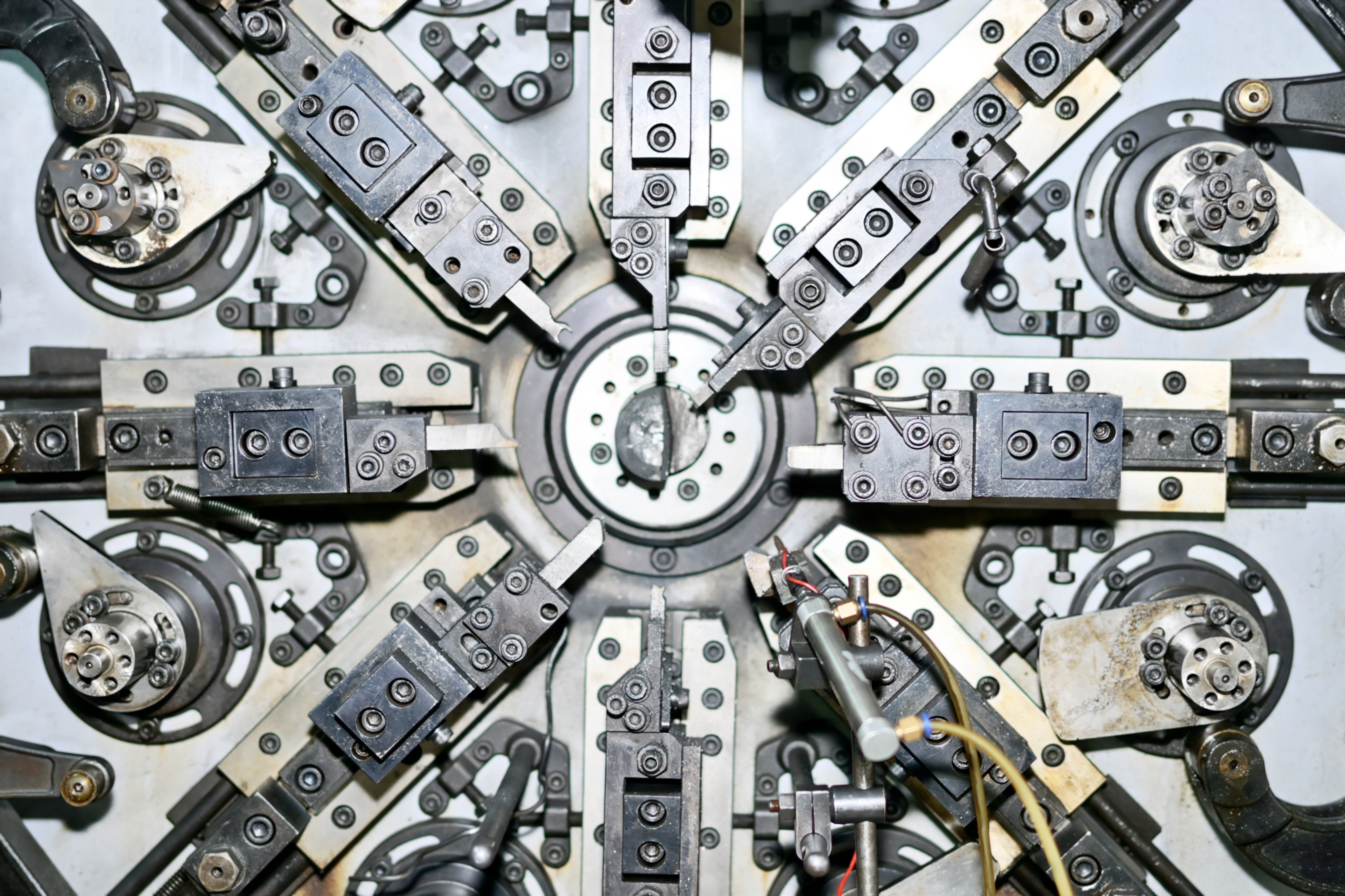
Industrial Spring Manufacturing Process: Engineering Precision from Start to Finish
Industrial springs are critical mechanical components used in automotive systems, machinery, construction equipment, electronics, and agricultural tools. While springs may appear simple, their performance depends on a highly controlled industrial spring manufacturing process.
From raw material selection to final inspection, each step determines spring durability, elasticity, and long-term reliability. At Toory Hardware Technology, spring manufacturing is guided by engineering precision and strict quality standards.
Step 1: Material Selection for Industrial Springs
The manufacturing process begins with material selection, which directly affects spring strength, fatigue resistance, and corrosion performance.
Common materials include:
- Carbon steel for general industrial applications
- Stainless steel for corrosion-resistant environments
- Alloy steel for high-load and high-stress conditions
Choosing the correct material is essential for producing precision springs that meet specific mechanical requirements.
Step 2: Wire Preparation and Straightening
Before forming, spring wire undergoes straightening and surface inspection to ensure uniform diameter and smoothness. Any inconsistencies at this stage can affect coil accuracy and load consistency.
High-quality wire preparation supports stable custom spring manufacturing and reduces production defects.
Step 3: CNC Spring Forming and Coiling
Precision CNC Spring Forming
CNC spring coiling machines shape wire into accurate spring geometries. During this stage, critical parameters are controlled, including:
- Coil diameter
- Pitch spacing
- Number of active coils
- Spring length
CNC technology ensures repeatability and consistency, especially for compression springs, torsion springs, and extension springs produced in large volumes.
Spring Type-Specific Forming
Different spring types require specialized forming processes:
- Compression springs are formed with controlled pitch and load characteristics
- Torsion springs require precise angular control and leg positioning
- Extension springs demand accurate hook formation and tension calibration
Step 4: Heat Treatment for Strength and Elasticity
Heat treatment is a critical stage in the industrial spring manufacturing process. It improves:
- Elastic recovery
- Fatigue resistance
- Structural stability
Proper heat treatment relieves internal stresses created during forming and ensures that springs maintain performance over repeated cycles.
Step 5: Surface Finishing and Protection
Surface finishing enhances both durability and appearance. Depending on application requirements, springs may undergo:
- Shot peening to improve fatigue life
- Zinc plating or coating for corrosion resistance
- Polishing or passivation for stainless steel springs
Surface treatments extend spring lifespan, especially in harsh industrial environments.
Step 6: Quality Control and Performance Testing
Dimensional and Visual Inspection
Each production batch is inspected for:
- Dimensional accuracy
- Surface defects
- Structural consistency
Load and Fatigue Testing
Springs are tested for:
- Load performance
- Elastic behavior
- Fatigue life under repeated stress
These tests ensure compliance with customer specifications and international standards.
Mass Production Stability and Process Control
For large-scale manufacturing, process stability is essential. Toory monitors:
- Machine parameters
- Tooling condition
- Production consistency
This ensures that every spring performs consistently from the first batch to the last.
Sustainable Manufacturing in Spring Production
Toory integrates sustainable manufacturing principles throughout the spring production process by:
- Reducing scrap through precision forming
- Recycling metal waste
- Optimizing energy use during heat treatment
Efficient manufacturing benefits both customers and the environment.
Why the Manufacturing Process Matters to Customers
A controlled and transparent industrial spring manufacturing process ensures:
- Reliable product performance
- Reduced failure risk
- Lower long-term maintenance costs
For customers, this means confidence in every spring used within their systems.
Conclusion
The industrial spring manufacturing process is a combination of material science, precision engineering, and quality control. Through advanced CNC forming, controlled heat treatment, and strict inspection standards, Toory delivers high-performance industrial springs for global applications.
As a professional custom spring manufacturer, Toory is committed to providing precision, durability, and consistency at every stage of production.
Stay ahead in manufacturing
Get insights on precision engineering and industry trends delivered to your inbox